Free guide · Step 0 of my client-getting system
How to get clients: start with the people who already know your work
One message, one easy question, no link and no pitch. Who to send it to, the exact message for a past customer, and what comes back.
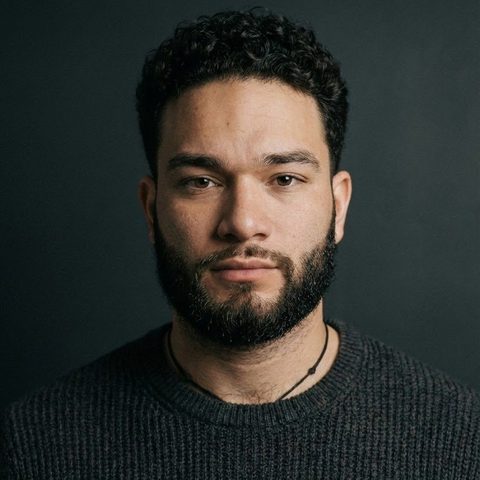
By Joshua Valentin, who managed $50M+ in ad spend · Updated · About a 9-minute read
The short answer
To get clients, start with the people who already know your work, past customers and old leads first. Most of them don't know you're taking clients, so send each one a short message that offers one useful thing and asks one easy question, with no link and no pitch.
Search "how to get clients" and you get a list. Post more. Run ads. Network. Cold email. Ask for referrals.
Five tactics, no order. So you try a new tactic, then drop it when it doesn't land fast.
I've managed $50M+ in ad spend. In my client-getting system, ads come last. Step 0 is free: one message to the people who already know your work. It's the fastest way I know to get more clients without building an audience first.
Nine minutes to read. About 30 to send.
Came here from a CLIENTS comment? This is it.
The steps, in short
Why don't the people who know your work become clients?
Knowing you isn't the same as asking you. Most of the people who've seen your work don't know you're taking clients, or what to ask you for. They liked the post. They paid you once. They asked a question and went quiet. More posting alone won't tell them. You have to tell them.
From your side it looks like demand. People comment. Past clients say nice things. Someone sends a friend your way once a year.
From their side, you're the person who did good work that one time. They don't know you have room. They don't know what you'd do for them now. And nobody wants to ask "are you taking clients?" in your comments.
So go to them first. It feels too simple, which is why most people skip it.
Who should you message first to get clients?
Message the people who already know your work, starting with past customers. Then old leads: people who asked about your work and didn't buy. Then warm contacts you've talked shop with. Then anyone else who knows your work: followers who reply, peers, people who've sent someone your way.
Put them in one list: name, how you know them, and where you'd reach them (email, text, or DM). Leave off anyone who asked you not to contact them.
Past customers go first. They've already paid you once. You have something real to say to them, and they already know what working with you is like.
Inside the group: Days 1 to 3 of the Quick Start walk you through your offer, your list and your free resource.
What should you offer in the message?
Offer one short, useful thing you already have: a checklist, a short guide, a worksheet, or a post you wrote. Keep it to something they can use in about 10 minutes. Don't attach it and don't link it. You only send it when they say yes.
Nothing yet? Write a one-page answer to the question your buyers ask you most. Or build it with Day 3 of the Quick Start, then send.
Why offer anything? "Just checking in" gives them nothing to answer. A useful thing gives them an easy yes, and an easy yes starts a conversation.
Why no link? A link asks them to click and decide on their own. A question asks for one word back. You want the word.
What message should you send to get clients?
Send a short, personal message that mentions something real you did together, offers the useful thing, and ends on a yes or no question. Here's the version I'd send a past customer, by text or DM. Copy it, then swap every bracket for a real detail.
Hi [name], I was thinking about our work on [real context]. I put together a short [format] to help [buyer] [small task]. Thought it might be useful for you. Would you like me to send it?
The opening refers to something true. No booking link or pitch attached.
Three parts, each doing one job:
- "I was thinking about our work on..." opens on something true, so it reads like a real note from you.
- "I put together a short..." gives them something before you ask for anything.
- "Would you like me to send it?" takes one word to answer. No link to click. Nothing to buy.
Inside the group: the email version for your whole list, plus the versions for old leads and warm contacts. Same rules, different openers.
How do you fill in the message truthfully?
Fill every bracket with something that actually happened between you. Refer only to things they actually said or did. If a detail isn't true, the whole message reads like a template, and they can tell. The more specific the detail, the more it sounds like you remembered them.
- [name]: their first name.
- [real context]: something that actually happened between you. The project or the problem you worked on.
- [format]: checklist, guide, worksheet, post.
- [buyer]: one kind of person you help. "Freelance designers," not "businesses."
- [small task]: the one thing it helps them do.
A consultant might mention a planning session, or a client's uneven payments. An agency might mention the inquiry form you rebuilt for a landscaping company.
Can't remember anything real about someone? Don't fake it. Start with the people you can. The email version for everyone else is inside the group.
How do you send it?
Send each message one at a time, on the channel you already talk on. Start with your past customers today. Then work through the rest of your list over the next two days, a few minutes at a time. Write down the send date beside each name.
One at a time matters. A group text or a mass DM reads like a blast, and people answer blasts with silence.
Leave out the calendar link and the prices. The whole message is one question.
Inside the group: Day 6 of the Quick Start gives you one sheet to track every reply and every next action.
What replies come back after you send it?
You'll get some mix of five things: "Yes, send it." "What is it?" A question, or a problem they're dealing with. "No thanks." And silence. A reply of any kind, even a no, is a conversation started. Count each person once. That count is your number this week: conversations started.
Silence counts too. Log it without guessing why.
Watch the third kind. Someone telling you about a problem is telling you, in their words, what they need right now.
What happens after they reply?
Answer the same day, personally. Then watch closely, because this is where most people stall. Someone says yes. You send it. They say thanks... and it ends. When they reply, what you say next decides whether it becomes a client.
Which conversations to move toward a call. When to ask. What to say once you're on it.
That's Step 2 and Step 3 of the system. They open to paying members of Social Money Models as I add them.
Same steps I run in my client work, where one went from offer to script to close in the same afternoon.
How fast can you get clients this way?
The message takes about 30 minutes to send, and it goes to people who already know you, so there's no audience to build first. How many reply, and how many become clients, depends on your list and on what you say next. Nobody can promise what other people do, and I won't.
What's inside Social Money Models?
Social Money Models is my Skool community. My client-getting system for service businesses, in order: your offer, your outreach, booked calls and the close, then scaling. Once a month, watch me run it live on my own client work.
One client went from $25K a month to $55K a month in 9 months by restructuring the offer. Another went from $0 to 5+ locations doing $300K+ each.
Start with 7 days free. The 7-day Quick Start opens the day you join: one task a day, about 30 minutes each.
In the Quick Start, open in your free week:
- your offer in one line, your list and your free resource, with builders for each
- the Step 0 message for your email list, old leads and warm contacts
- the reply for each kind of answer, and the follow-up for silence
- one sheet to track every conversation
Step 2 (DM to booked call), Step 3 (the close call) and Scale open to paying members as I add them.
Then $7/month at launch. Cancel anytime.
7 days free, then $7/month at launch. Cancel anytime.
My free newsletter. Read along while you decide on your next step.
About a minute. It shows which step is holding you back.
Questions people ask about getting clients
How do I get clients fast?
Start with the people who already know your work. Past customers already trust you, so there's no audience to build and no ad to run first. Send each one a short message that offers one useful thing and ends on a yes or no question. It takes about 30 minutes.
How can I get more clients without spending money on ads?
Message the people who already know your work before you spend anything. In my client-getting system, ads come last, once closes come in. Step 0 costs nothing: one message to the people who already know your work, past customers first.
Who should I message first?
Past customers. Start there. Then old leads, people who asked about your work and didn't buy. Then warm contacts and people who know your work.
Should I put a link or my prices in the first message?
No. The first message is one easy question they can answer in one word. No link to click. Nothing to buy. Just yes or no.
What if I don't have anything to offer them?
Write a one-page answer to the question your buyers ask you most. Keep it to something they can use in about 10 minutes.
What if I can't remember anything real about someone?
Don't make something up. Refer only to things they actually said or did. Start with the people you can, and send everyone else an email version instead. That version is in the Quick Start.
Should I send it by email, text or DM?
Use the channel you already talk on with that person. Send each message individually, not as a group text or a mass DM.
How many people should I message?
Start with your past customers today. Then work through the rest of your list over the next two days, a few minutes at a time.
What if nobody replies?
Silence happens. Log it without guessing why, and keep sending to the rest of your list. The follow-up I use for silence is in the Quick Start.
Is it okay to message old customers out of the blue?
Yes, if it's one personal message about something real you did together. Leave off anyone who asked you not to contact them.
Does this work for coaches, consultants and agencies?
It works for anyone who sells a service and has people who already know their work. Social Money Models is for founders, creators and niche agencies working toward a repeatable path from conversations to calls to clients.
What is Social Money Models?
My client-getting system for service businesses, in order: your offer, your outreach, booked calls and the close, then scaling. It's a Skool community. 7 days free, then $7/month at launch, or $42/year. Cancel anytime.
Who is Joshua Valentin?
I'm Joshua. I've managed $50M+ in ad spend. I've been doing marketing for the last 10 years or so. Social Money Models is where I teach my client-getting system.