Build a way for clients to come to you.
See how attention, trust and an offer fit together.
Map your path from being found to being hired.

By Joshua Valentin, Social Money Models
Give people a way to find you.
Outbound and referrals take work. If they're bringing you clients, you've built something worth keeping.
Alongside outbound and referrals, give people a way to find you, understand what you do and come to you for help.
Use content, ads or the funnel you already have. Start with how those pieces connect to a client buying from you.
A post can get attention and stop at a like. Give interested people something clear to respond to, then carry the conversation forward when they do.
Connect the parts of your ATM.
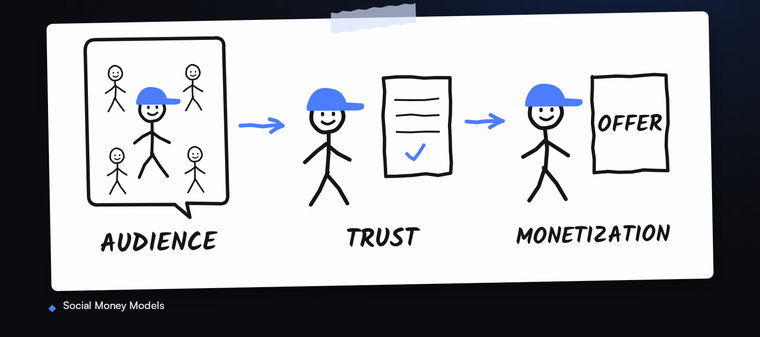
An ATM is audience, trust and monetization. Social Money Models is how I teach you to build yours.
Audience is the people paying attention. Trust develops as they understand your work and why it matters to them. Monetization is the path to buying your service.
Before you add another tactic, write down what each part looks like in your business today.
Audience: Where do people find you?
Trust: What can they see that helps them understand your work?
Monetization: How do they take the next step toward hiring you?
Use what actually happens. If people come through a referral, write that down. If the next step is a conversation, say where it starts and how it reaches a call or a sale.
Set a target for your ads.
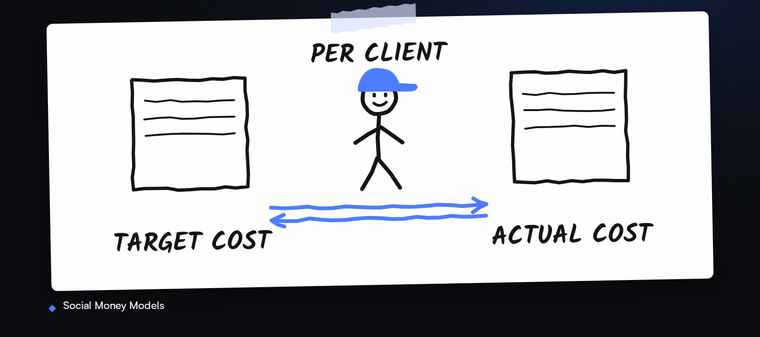
Before you spend on ads, work out what you can afford to pay for a client. Look at what you keep after delivering the work and how long you can wait to earn back that spend.
For each ad test, decide what you want to learn. I test different messages first, then try different openings for the ones that work.
Follow the inquiries through to clients. An ad can get plenty of clicks and still bring in the wrong people. Compare what you're actually paying for a client with the amount you worked out before spending.
If people click but don't inquire, check the page before paying to bring in more people. Can they recognize the offer they clicked for and see a clear next step? If inquiries aren't becoming clients, check the follow-up too.
Turn a post into a conversation.
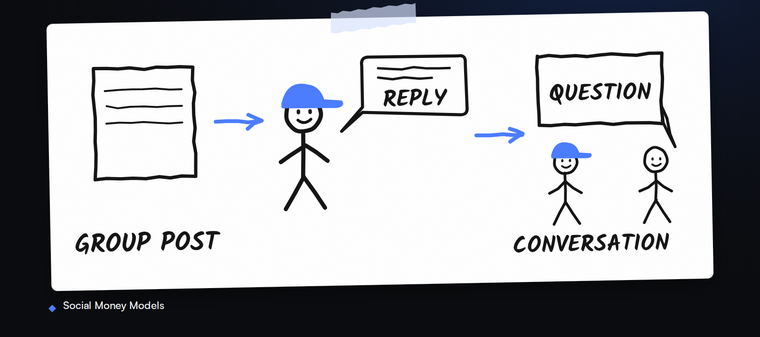
Give the right person a reason to reply.
A group post can introduce what you do to people who need it. Check the group's rules before you post. Say who you help and offer something useful for a problem they recognize.
Use a resource you actually have. A short guide or worksheet can do the job. If you don't have one, write a one-page answer to a question those buyers ask. Have it ready before you offer it.
Make the invitation fit what's true.
If your service helps a buyer take on more work, ask whether they have room for it. If you're announcing open spots, base the limit on the capacity you have. Or offer a useful resource in your announcement.
Here's an illustrative announcement for a cash flow consultant:
I help freelance designers build practical cash flow plans.
A question that comes up is: "Which bills will next month's client payments actually cover?"
I put together a free one-page worksheet to help you plan the next 30 days. It separates confirmed payments from expected work and lists upcoming commitments. You can use it in about 10 minutes.
If you want a copy, comment "copy" and I'll send it over.
For your post, use the buyer you help, a question they ask and the resource you've made. Describe what it does and how long it takes to use.
Respond to the people who engage.
Reply publicly to comments and message the people who commented or liked, the same day. When someone asks for the resource, send it. A like alone doesn't mean they asked for a link or a pitch.
Connect your first message to the post they engaged with. Ask one easy question about their situation, with two answers they can choose between. Keep it light with someone who only liked the post. Let their answer guide the conversation.
Count conversations separately from reactions.
Record who you messaged and what they reply. A conversation starts when the person answers your first message. Count each person once. A like, a view or an automated reply doesn't count.
A "thanks" or "no thanks" counts as a reply. Neither is buying intent. Mark a no as declined. When someone describes a problem, answer what they actually said and record a useful next action.
See a result from my client work.
I was the strategist for a telehealth company in medical weight loss. I built its full funnel, marketing language, ads, sales process and follow up from zero.
The company went from $0 to 5+ locations doing $300K+ each.
It went from $0 to over $100K in the first quarter at over 9x ROAS. It opened three locations in 90 days. It went from $0 to $30K a month and lifted partner med spa bookings by 50%.
Build on the conversations you start.
Once people reply, you'll have real questions to work with. The next part is deciding which conversations should reach a call and what you'll offer when they do.
Choose the kind of help you want with that.
Explore working together
If you want direct help, book a free call.
It's a short discovery call with me, Joshua, that's also an ATM audit. We'll look at your audience, trust and monetization.
Join Social Money Models
If you want to learn and do the work yourself, start with my Skool group.
The live 7-day Quick Start covers your offer, your list, a useful free resource and starting conversations.
The later lessons on booked calls, closing and scaling open to paying members as I add them.
7 days free, then $7/month at launch. Cancel anytime.